

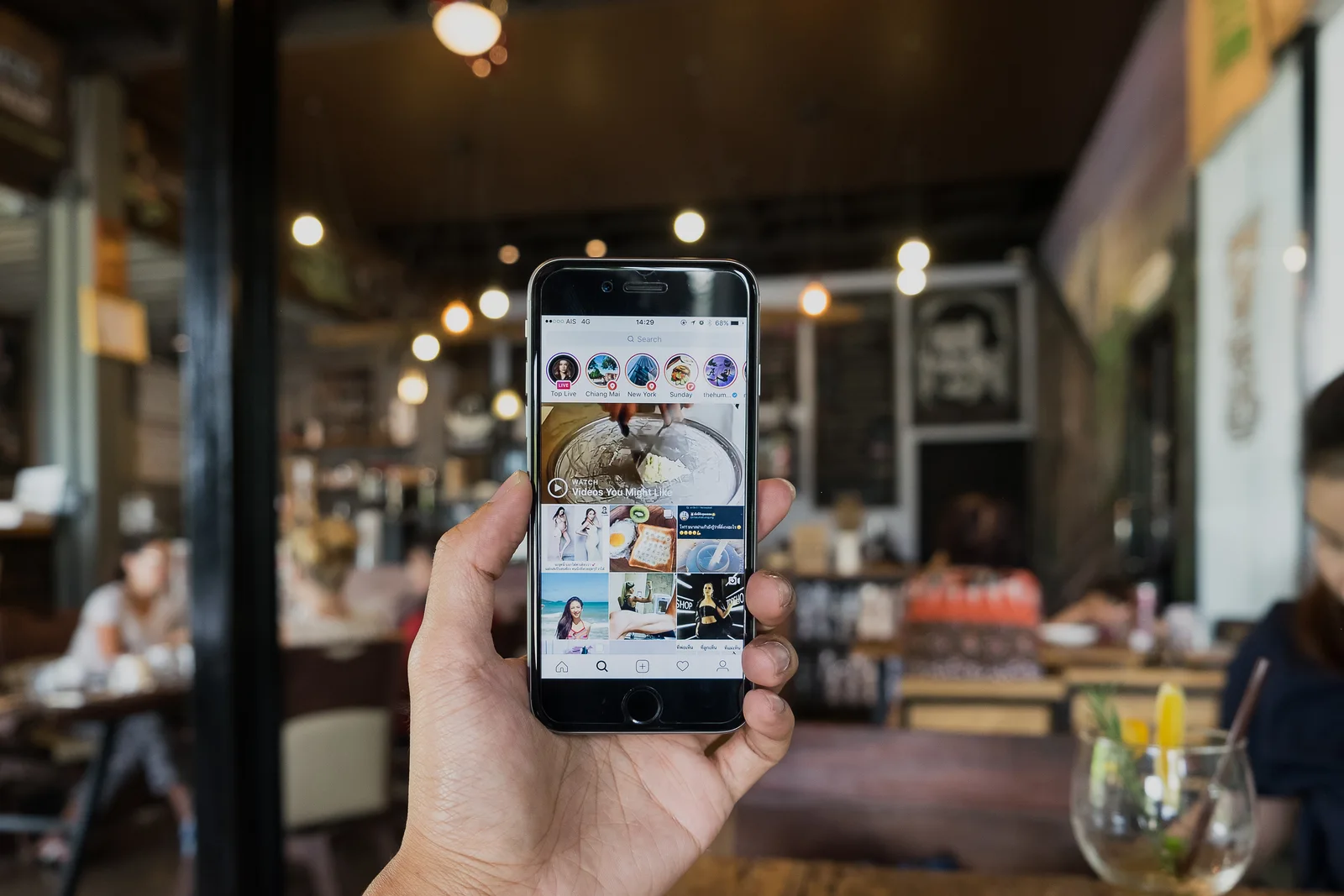
Start with the order you keep losing.
Most hospitality apps are commissioned to solve one of three things: the commission a delivery platform takes on every order, a loyalty card nobody remembers to bring, or a menu that changes faster than the printed copy. Each of those leads to a different app.
The useful first question is not "what features should it have" but "which order do we want to move". A regular buying the same coffee five mornings a week is a different design problem from a Friday night table booking.
What venues usually want an app to fix
- Feature 1
Direct ordering and pickup, so the margin stays with the venue.
- Feature 2
A digital loyalty card tied to a phone people already carry.
- Feature 3
A menu you update yourself, including specials and sold-out items.
What a first release usually needs.
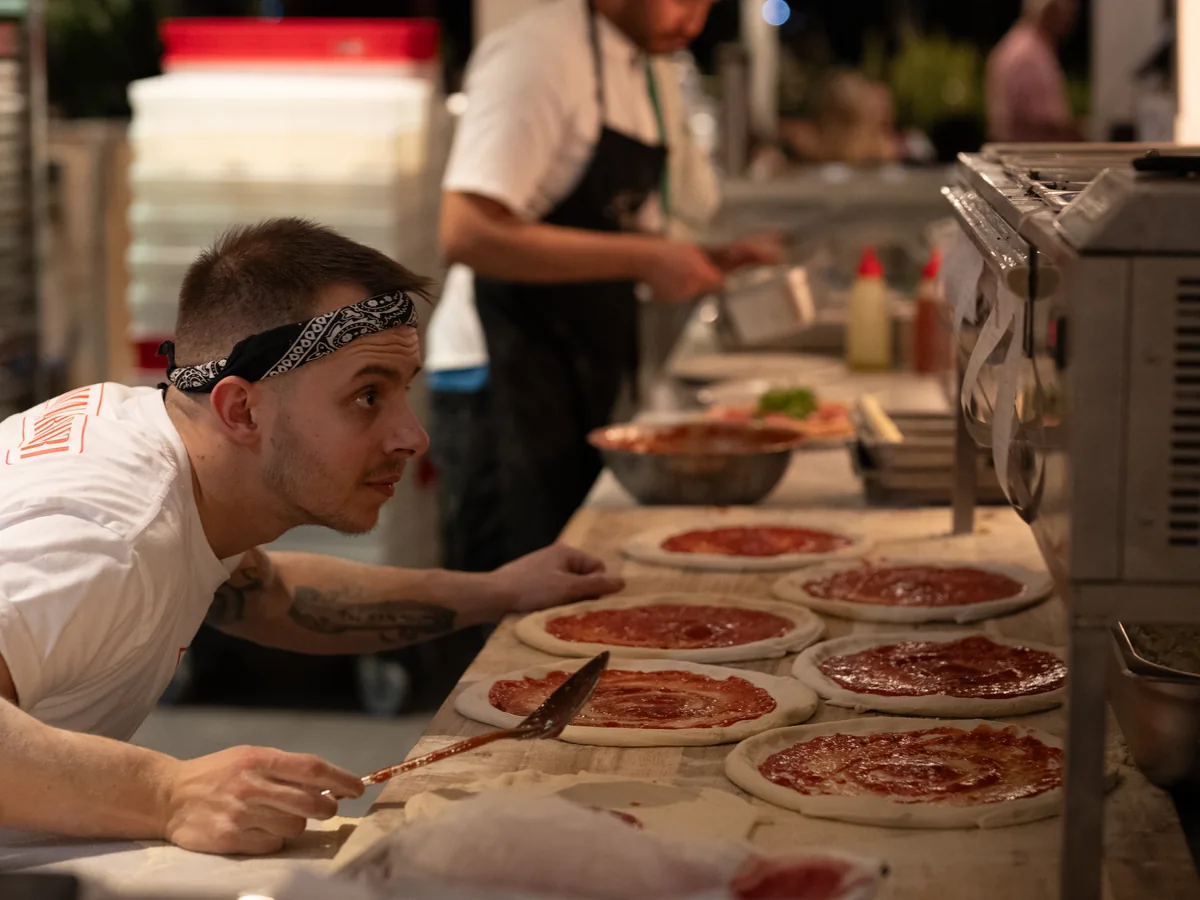
A workable first version normally covers browsing a current menu, placing an order for pickup, paying, and getting the order to the people making it. Everything else — delivery zones, table service, multiple venues, gift cards — changes the shape of the project and belongs in a later conversation.
Payments, accounts and anything touching customer data need their own scope. So does the kitchen side: an order that arrives on a phone nobody is watching during service is worse than no app at all.
How Zynx would approach it.
We start with the task, not the feature list, and design the main journey before we build it. Modes Media Player, our own published app, shows the standard: native iOS, no account required for the things that do not need one, and a product that keeps working when the connection does not.
For a venue, that last point matters more than it sounds. A busy service with patchy Wi-Fi is exactly where a poorly built app falls over.